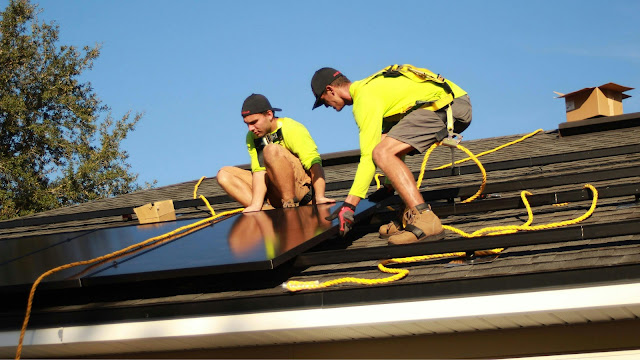
 A complete checklist to ensure a smooth and successful insurance claim process

Pre-Claim Preparation: Setting the Stage for Success
New Jersey homeowners with solar panels should approach insurance claims with the same preparation as any major financial transaction because that’s exactly what it is. Long before storm clouds gather, conduct a thorough policy review with three critical questions: Does your dwelling coverage reflect your system’s current replacement value? Are there exclusions for perils common in your area (like coastal wind or inland hail)? Does your policy cover just the panels or the full system including inverters and wiring? Many Voorhees and Princeton residents discover too late that their 2018-era policy doesn’t account for today’s higher equipment and labor costs. Proactive homeowners schedule annual documentation updates high-resolution photos of all panels, copies of maintenance records, and system performance reports. These become your "before" evidence when damage occurs. Consider a pre-claim inspection by a licensed NJ solar contractor; their professional assessment carries weight with adjusters. For ground-mounted systems or premium installations, discuss policy endorsements with your agent the small added cost prevents massive coverage gaps later.
Navigating the Active Claim: A Step-by-Step Playbook
When damage strikes your New Jersey solar array, the clock starts ticking. First, prioritize safety never risk injury to document damage. Use a drone or ground-level zoom lenses for hazardous areas. Capture every angle of damage plus serial numbers and manufacturer labels; insurers increasingly demand this to verify equipment values. File your claim within 48 hours, even if damage seems minor hidden issues like microcracks or inverter surges often emerge later. Your claim narrative should be factual but strategic: "Hailstorm on [date] caused visible dents on north-facing panels (photos attached)" works better than vague descriptions. When the adjuster arrives, have your documentation packet ready policy pages showing coverage, contractor estimates (aim for two from NJ-licensed solar companies), and those pre-damage records. Attend the inspection personally to point out less obvious damage like wiring conduit cracks or mounting hardware stress. If the adjuster’s estimate seems low, don’t argue request a reinspection with your contractor present. Many Jersey City and Edison homeowners secure 20-30% higher settlements this way.
Post-Claim Strategies: Ensuring Full Recovery and Future Protection
The claim check isn’t the finish line it’s phase three of your financial recovery. Before repairs begin, verify your insurer’s payment terms; some issue two checks (initial and supplemental), while others pay contractors directly. Use only NJ-licensed solar professionals for repairs and insist on matching equipment some insurers try to downgrade panel quality during replacements. Keep every receipt; you may need them for warranty transfers or future claims. After repairs, conduct a professional inspection and update your documentation this creates a new baseline for any subsequent claims. Analyze the claim experience: Did your policy respond adequately? Were there surprise exclusions? Many Toms River and Newark homeowners use this moment to upgrade coverage, adding endorsements for labor costs or renewable energy credit loss protection. Finally, review your insurer’s claims satisfaction ratings if the process was unnecessarily difficult, consider shopping for a New Jersey carrier with better solar claim handling.
Solar Panel Insurance Claim FAQs for New Jersey Residents
Q: How long do solar panel claims typically take in New Jersey?
Most straightforward claims process in 4-6 weeks, but complex cases (like hurricane damage in shore towns) may take 90+ days with reinspections.
Q: Will my solar warranty be voided if I file an insurance claim?
No manufacturer warranties remain valid, but insurers may require OEM parts for repairs to maintain coverage.
Q: Are lost energy production costs covered during repairs?
Standard NJ policies don’t cover this, but some carriers offer "loss of renewable energy income" endorsements worth exploring.
Q: Can I choose my own repair contractor?
Yes, New Jersey law guarantees your right to select licensed solar professionals, though insurer-approved vendors may streamline payments.
Case Study:
A Bridgewater Homeowner’s $22,000 Claim Victory
The Chen family’s 12kW system suffered extensive damage when a 2023 derecho toppled trees onto their array. Their insurer initially approved just $9,500, claiming some panels were "functional despite cosmetic damage." The Chens fought back with thermal imaging from a solar engineer showing 11 underperforming panels, plus a depreciation report proving their system’s value hadn’t degraded as claimed. They also highlighted their policy’s "matching clause" requiring uniform panel replacements. After submitting this evidence and involving a public adjuster, the insurer approved a $22,000 settlement covering full system replacement and roof repairs. This case demonstrates why New Jersey homeowners must understand policy details and be ready to advocate with evidence for fair treatment.
The New Jersey Solar Claim Checklist
Protecting your solar investment requires understanding that insurance claims unfold in three acts. Smart preparation before damage occurs, meticulous documentation during the claim, and strategic follow-through after payment separate successful claimants from frustrated ones. New Jersey’s unique weather risks and solar incentives make tailored coverage essential don’t assume your policy automatically keeps pace with your system’s value or today’s repair costs. For homeowners in high-risk areas like the Jersey Shore or urban centers with increased hail exposure, annual policy reviews with a solar-savvy agent should be as routine as panel cleanings. Remember, the goal isn’t just to file a claim it’s to emerge with a fully restored system and coverage ready for whatever comes next.
Comments
Post a Comment